
The Eastern Partnership – Reloaded
The strategy for Europe’s East or the so-called Eastern Partnership of the EU with the post-Soviet republics Armenia, Azerbaijan, Belarus, Georgia, Moldova and Ukraine has been ‘reloaded’ at the focus of European attention thanks to the Polish Presidency. Although lately it has been overshadowed by the financial crisis of Europe and the revolutions in the Arab world, the Eastern policy should not be regarded of secondary importance. For the six post-Soviet countries the policy is an opportunity to enter Europe’s common market, to liberalise their visa regimes with the EU and according to their good will to establish a real functioning democracy.
For Europe it means above all energy security, trade and integration of the East to the values of the West. The latter, according to European Commission President Jose Manuel Barroso, should not be interpreted as a "zone of influence", as the Russians commented angrily at the beginning of the Partnership in 2008. The rhetoric of the Cold War sounds rather outdated but what truly characterises the policy of the 21st century are real facts, figures and pragmatism.
Europe has provided 600 million euros for the years 2010-2013 as part of the European Neighbourhood and Partnership Instrument. 175 million euros will go for institutional reforms; about 75 million to address regional economic and social inequalities; for convergence with EU policies, stability, economic integration, energy security and democratic governance the EU has allocated 350 million euros.
The European Investment Bank finances separately the Eastern partners, including Russia (up to 500 million euros) with a total of 3.7 billion euros for 2007-2013 supporting transport, energy, telecommunications and environmental infrastructure projects. An assessment of the financing of the six former Soviet countries from an economic and political perspective and an evaluation of EU’s role as a Western alternative to the Eastern partners is yet to come. The second summit between EU leaders and the six post-Soviet countries is scheduled for September 29-30. euinside will follow closely the meeting and present different views and perspectives on the Eastern Partnership, taking into account that the Eastern region is of significant importance not only for the EU as a whole but also for Bulgaria in particular.
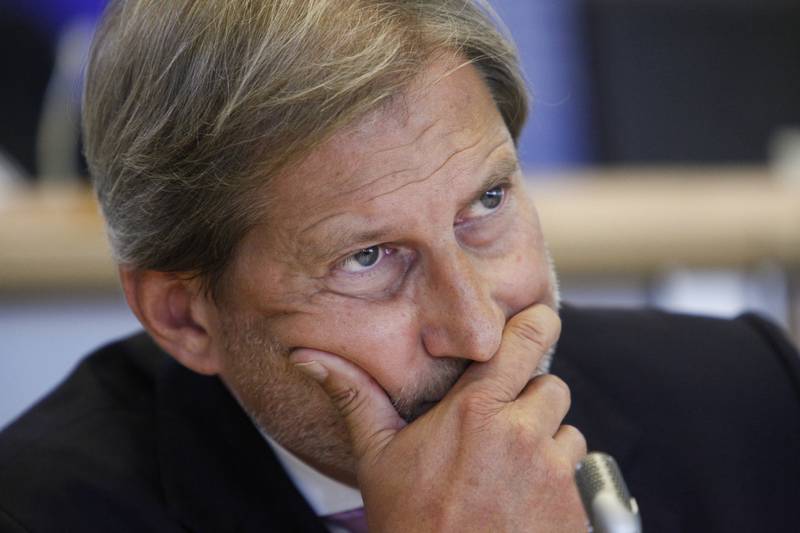 Johannes Hahn | © European Parliament
Johannes Hahn: the Neighbourhood Policy is a Security Policy
The EU's Eastern policy looms up as one of the top priorities in the next five years. From the so far stated positions of European Commission President-elect Jean-Claude Juncker and the missions of the High Rep for the foreign policy and the Commissioner-designate for neighbourhood policy, Johan ...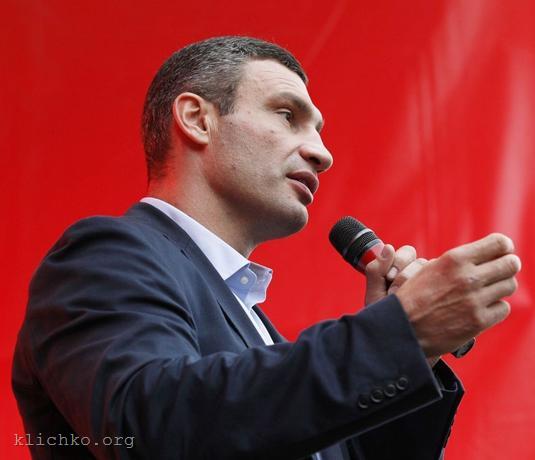 | © klichko.org
The Long Shadow over the Elections in Ukraine
The main issue before the elections in Ukraine on 28 October is not so much who is going to win, but whether they will be free and fair. This is shown also by the huge number of observers already situated in the country - from the Organisation for Security and Cooperation in Europe (OSCE), vario ...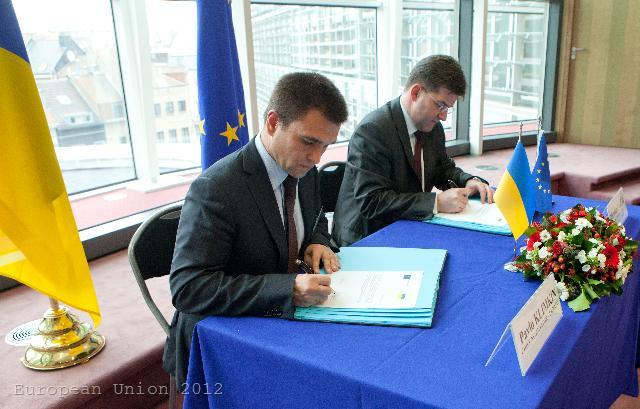 | © European Union 2012
The Results of the “Europeanisation” Test for the Six Eastern Partners of the EU
At the September 2011 Warsaw summit of EU and the countries from the Eastern partnership, Herman van Rompuy, the European Council president, stated that the EU had made considerable progress toward conclusion of new and better agreements concerning the relations with most of its partners. In May ...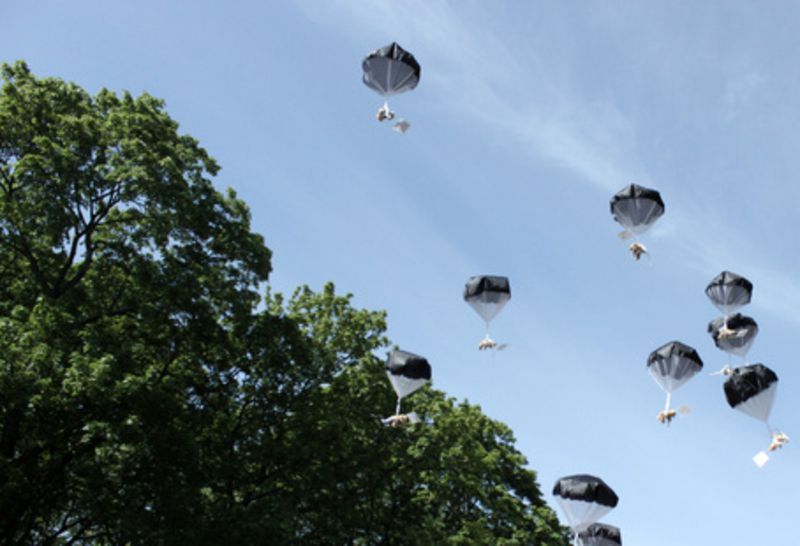 | © Studio Total
Absolute Success of Operation "Teddy Bear" in Belarus
What does motivate a man to train to become a pilot in order to risk his or her life while flying over "hostile territory" to disseminate leaflets and to return? From which EU member state must these people come from, risking their peaceful everyday lives in support of the fight for freedom of s ...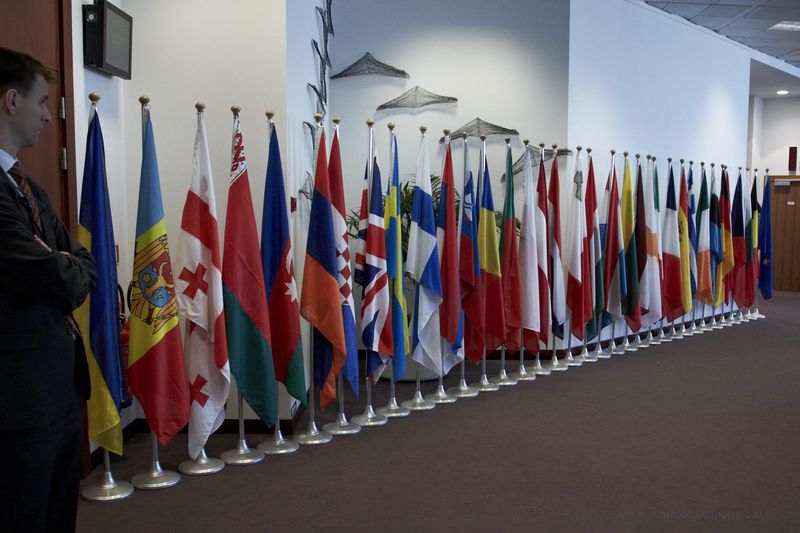 | © The Council of the European Union
The EU Warned Belarus and Ukraine about Political Prisoners
The European Union is experiencing problems in terms of respect for its fundamental values and principles both inside, in the member states themselves, and on its borders. The concerns about the situation in certain countries related to the values and principles of liberty, democracy, respect fo ...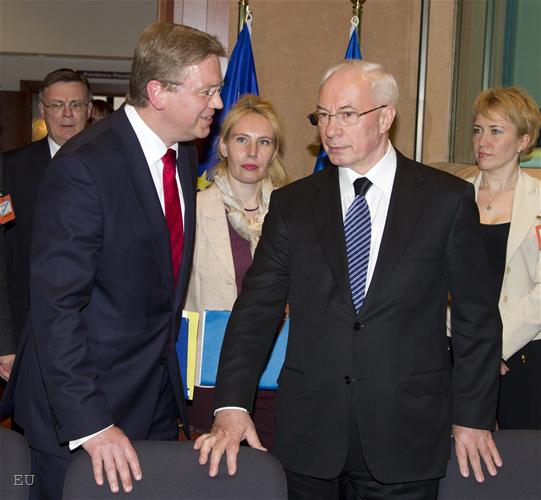 | © EU
The Ukrainian Jigsaw Puzzle
What is happening in Ukraine is a question that is tormenting Europe more and more. And an even more worrying question is what can Europe do. Regarding the current stalemate between the EU and Ukraine, Konstanty Gebert, head of the Warsaw office of the European Council on Foreign Relations, said ...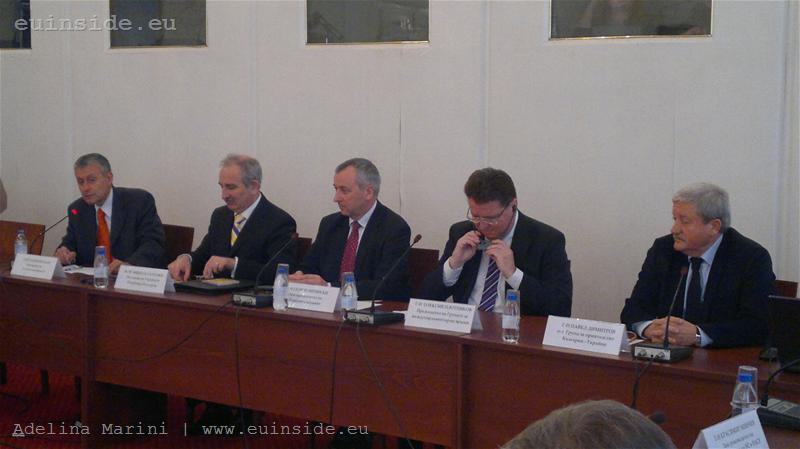 | © euinside
Ukraine - from Disappointment to Understanding
More than 20 years after the fall of the Berlin wall Bulgaria has been a member of the EU for five years, of NATO for more but not of the OECD (Organisation for Economic Cooperation and Development). Nevertheless, if looked from above, everyone would think that this is the country that can be a ...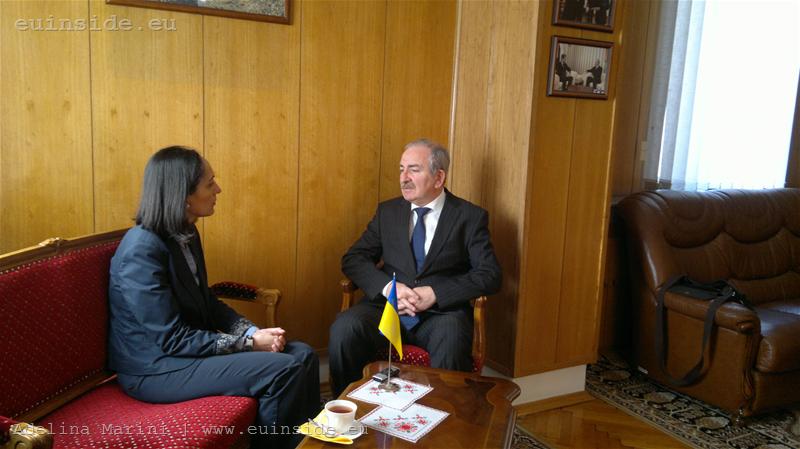 | © euinside
Mikola Baltajy: Ukraine's Integration in EU Cannot be at the Expense pf Relations with Russia
Ukraine's strategic goal to one day become a fully fledged member of the EU has not changed. Only the accents have changed - at the moment the Ukrainian government is focusing on actions not on empty words, said in an interview for euinside Ukraine's ambassador to Bulgaria H.E. Mikola Baltajy i ...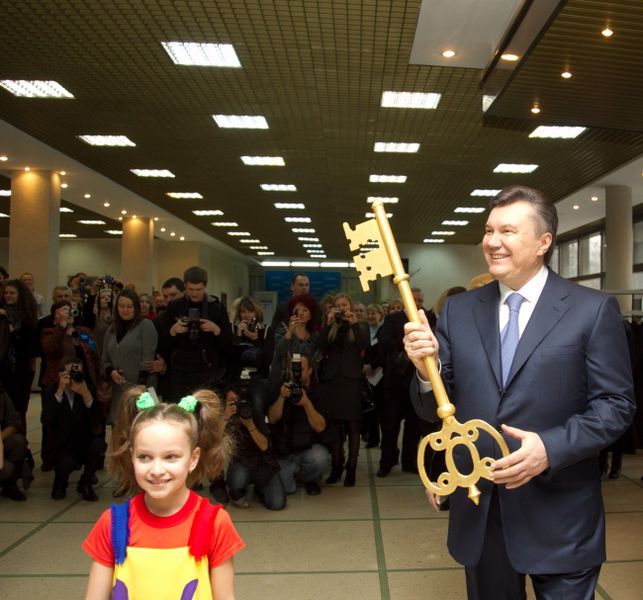 | © Ukraine Presidency
2012 is Critical for EU-Ukraine Relations
The European Union is hardening the tone to Ukraine in a moment when to the east of the country a new menace is emerging - another term of Vladimir Putin, who has won the presidential elections on March 4 and also gave clear signals for a tough course on strategically important issues. In the la ... | © EU
What Has been Written in the Agreement between the EU and Ukraine?
The European Union has again found a way to protect the wolf satiated and the lamb alive. The big news from the EU-Ukraine summit, which took place in Kiev on December 19th, is that the final text of the Association Agreement is finalised, of which an important part is the first of its kind Deep ...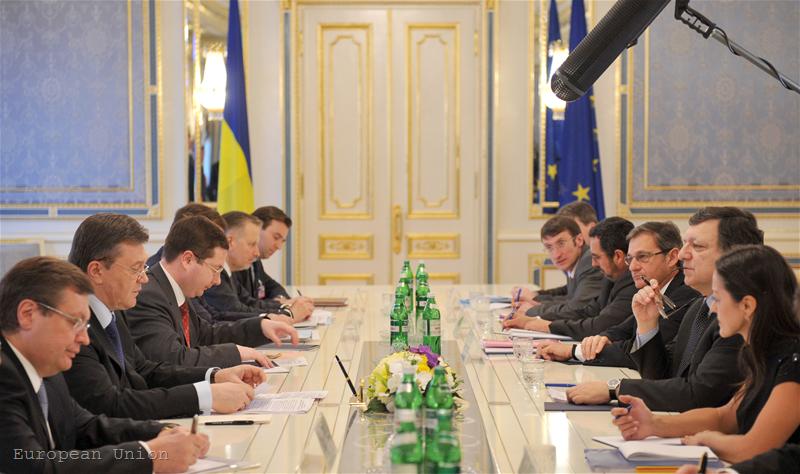 | © European Union
Ukraine Is Under EU’s Microscope
The consequences from the scandalous trial against the former prime minister and leader of Ukraine's Orange Revolution, Julia Tymoshenko, came quickly. The European integration of the country seems to be at a standstill after the first lady of the Ukrainian opposition has been sentenced to seven ...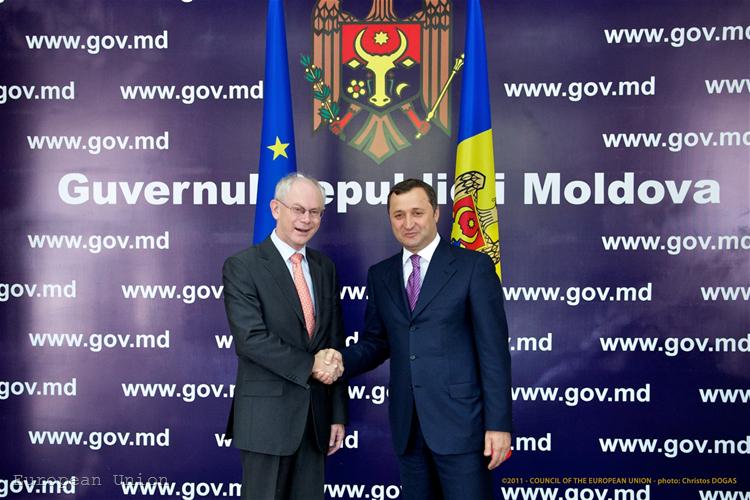 | © European Union
Euro Integration as a Light in the Tunnel
European integration, despite the economic crisis in Europe, continues to be a symbol of hope for Europeans outside the EU. Not only does it mean free trade, EU funds and a visa-free regime, but it also signifies the adoption of European values in politics and the system of judiciary, fight agai ...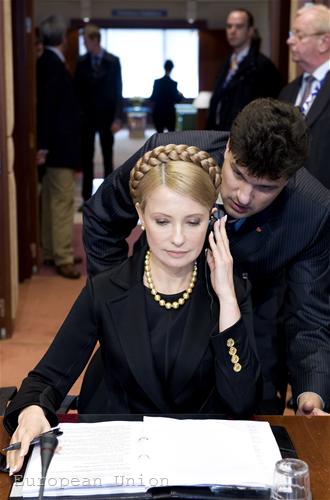 | © European Union
The Tymoshenko Trial - Between the Hammer and the Anvil
A country has managed to reform or at least to walk in a sustainable way on the path of reforms only when there are no doubts in its actions. Alas, the case against the former Ukrainian prime minister and opposition leader, Yulia Tymoshenko, from the outset is feeding doubts that this is a polit ... | © null
EU Has Neglected Its Eastern Partners
Controversial and ambiguous were the comments after the end of the summit between the Eastern Partnership (EaP) countries and the European Union which took place in Warsaw in the end of September. Controversial just as there are controversies in the countries themselves,which said "no" to their ... | © null
Quid Pro Quo for Belarus
Although it had no representative at the summit of the European Union and the Eastern Partnership countries, Belarus was in the spotlight of the summit, which ended with a Warsaw Declaration for all and a separate text for Belarus. From the words of Polish PM Donald Tusk, who hosted the summit i ...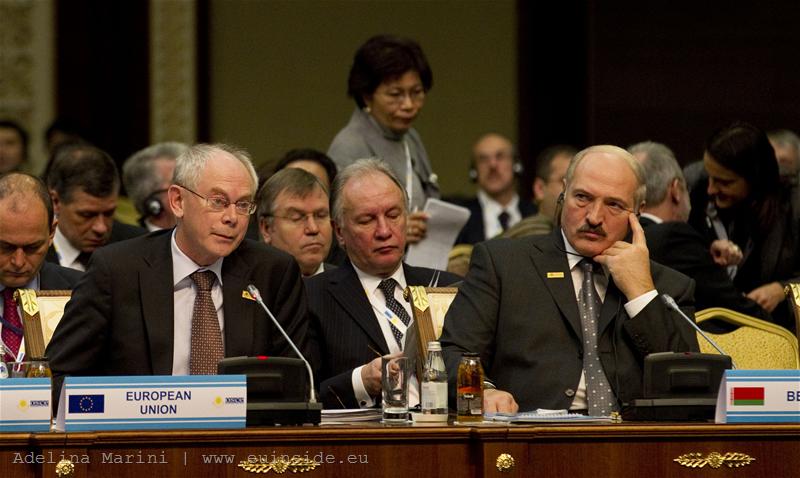 | © European Union
Fear rules in Belarus
Belarus exists geographically on Europe's map but still refuses to integrate politically within. Twenty years after the fall of the totalitarian regimes in Central and Eastern Europe, and the collapse of the USSR, the country today is still famous as an island of dictatorship on the European con ...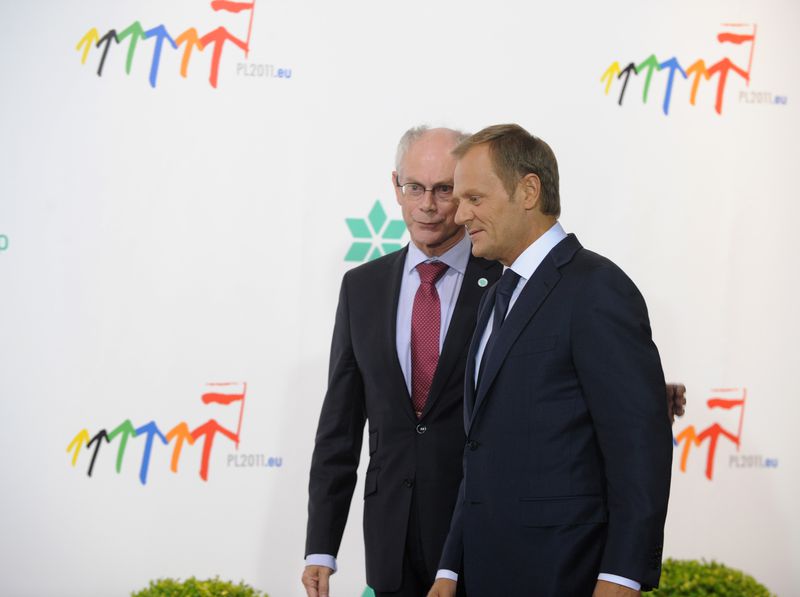 | © www.premier.gov.pl
Belarus Remains a Thorn in the Eastern Partnership
Belarus refused to participate in the EU-Eastern Partnership summit in Warsaw. Initially the country had to be represented by its ambassador in Poland after Foreign Minister Sergei Martynov refused to take part in the forum. The official explanation was that he was in New York for the UN General ...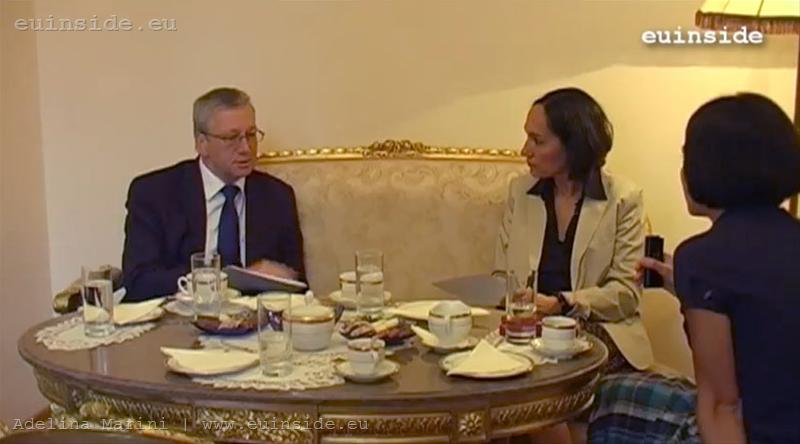 | © euinside
Leszek Hensel: Ukraine Is Part of Europe
Note: For English subtitles please press the CC button on the player. On September 29-30 starts the summit between the European Union and the countries from the Eastern Partnership - Armenia, Azerbaijan, Belarus, Georgia, Moldova and Ukraine. The event is being organised by the Polish EU Presid ...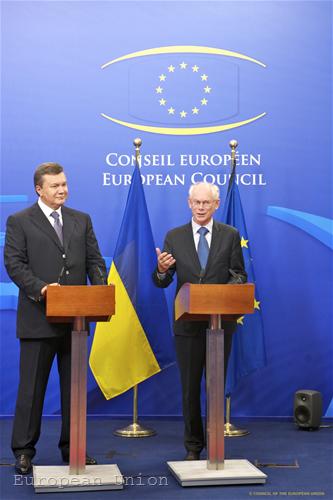 | © European Union
Ukraine Is the Stake in the Eastern Partnership
There is a full unanimity among analysts in Europe that in a broader perspective it depends on Ukraine the Eastern Partnership to succeed, and in a closer perspective - Ukraine's success will depend on the trial of Yulia Tymoshenko, a former prime minister of the country. As Martin Simecka wrote ...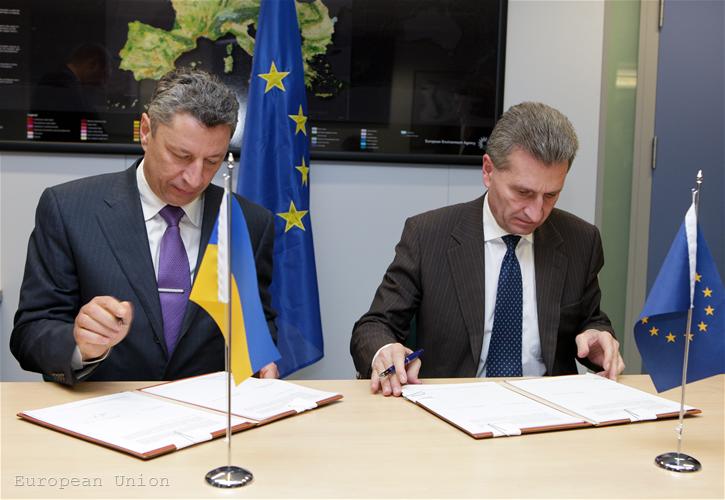 | © European Union
The Ukrainian Dilemma: with Kremlin or with Brussels?
Ukraine today looks rather different from Ukraine of the Orange Revolution, which took a steady course towards the European Union seven years ago. The impetus of the Ukrainian society for democracy, fair and transparent governance, that received Europe's support in 2004, has failed to accomplish ...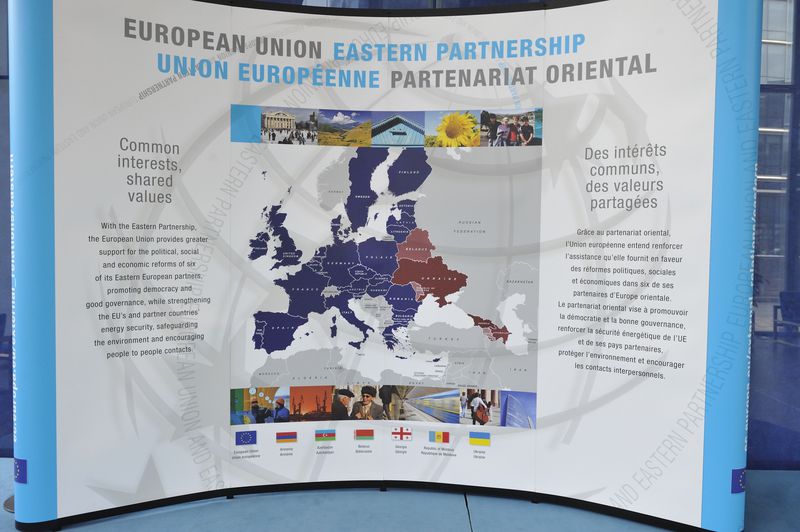 | © European Union